Introduction
In today’s fast-paced industrial world, businesses are constantly searching for packaging solutions that are strong, cost-effective, and sustainable. One packaging option that has stood the test of time is the woven polypropylene (PP) bag — also known as a woven poly bag. These durable bags are used in multiple industries, from agriculture and construction to food and retail, offering unmatched versatility and performance.
Whether you’re a manufacturer, supplier, or end-user, understanding how woven poly bags work and why they’re so widely used can help you make smarter packaging decisions. Let’s dive into a complete guide on their uses, types, and advantages.
What Are Woven Poly Bags?
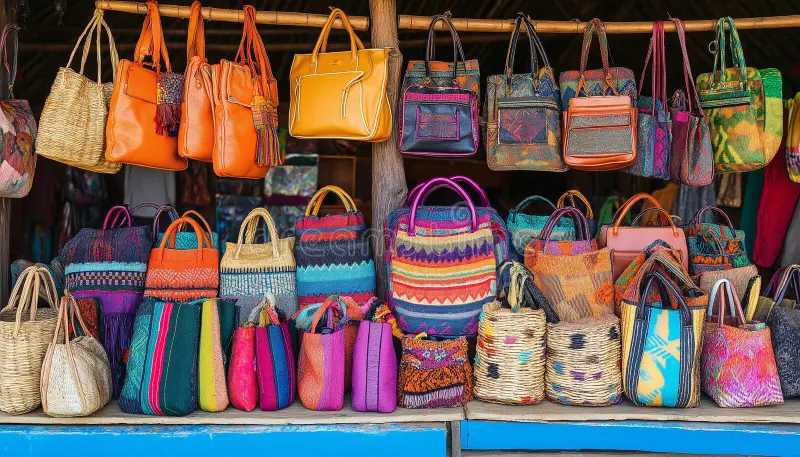
Woven poly bags are made from polypropylene, a type of thermoplastic polymer known for its strength and flexibility. These bags are created by weaving polypropylene tapes in a crisscross pattern, giving them excellent tear resistance and high tensile strength.
The result is a lightweight yet tough packaging material that can hold heavy products without ripping or puncturing. Depending on the use, these bags can be laminated for extra protection against moisture and dust, or left unlaminated for breathability.
In short, woven poly bags combine durability, reusability, and affordability, making them one of the most popular packaging solutions in the industrial world.
Common Uses of Woven Poly Bags
Woven polypropylene bags have a wide range of applications due to their strength and adaptability. Here are some of the most common uses across industries:
1. Agriculture and Farming
Woven poly bags are widely used to pack grains, rice, flour, sugar, seeds, and animal feed. Their breathable structure helps prevent mold and keeps the contents fresh during storage and transport.
2. Construction and Building Materials
These bags are ideal for packaging materials like cement, sand, gravel, and other building supplies. Their tear-resistant nature and load-bearing capacity make them perfect for handling heavy-duty products.
3. Food and Beverage Industry
Laminated woven bags are often used for packing products such as flour, salt, spices, and pulses. The lamination layer ensures that the products remain moisture-free and hygienic.
4. Chemicals and Fertilizers
Woven poly bags are a preferred choice for packaging chemicals, resins, and fertilizers, as they offer excellent protection against leakage and contamination.
5. Retail and Promotional Uses
With custom printing and branding options, woven bags are also becoming popular in the retail sector as eco-friendly shopping bags. They’re reusable and serve as a great marketing tool for brands.
Types of Woven Poly Bags
Depending on your business needs, woven poly bags come in several varieties, each offering unique features and benefits:
1. Plain Woven Bags
These are the most basic type — uncoated and breathable, ideal for products that need air circulation, such as grains and vegetables.
2. Laminated Woven Bags
Also known as BOPP laminated bags, these have an additional layer of lamination that makes them water-resistant, glossy, and printable. They’re perfect for products that require a clean, attractive appearance and moisture protection.
3. Gusseted Woven Bags
These bags have side folds that expand, allowing them to hold a larger volume. They’re often used in the food and fertilizer industries where space efficiency matters.
4. Block Bottom (Ad*Star) Bags
These are specially designed woven bags with a flat bottom, allowing them to stand upright. Commonly used for cement and construction materials, block bottom bags offer superior strength and easy stacking.
5. Woven Sacks with Liners
Some woven bags come with an inner polyethylene liner for extra protection against moisture and contamination, ideal for fine powders or perishable goods.
Advantages of Woven Poly Bags
The popularity of woven polypropylene bags is not accidental — they offer a long list of benefits that make them superior to many traditional packaging materials.
1. High Durability
Woven poly bags can withstand rough handling, high weight loads, and harsh conditions. Their woven structure provides excellent tensile strength, making them less prone to tearing.
2. Lightweight and Cost-Effective
Despite their strength, these bags are incredibly lightweight, reducing overall shipping costs. Plus, polypropylene is an affordable material, offering great value for bulk packaging.
3. Moisture and UV Resistance
When laminated, woven poly bags offer strong protection against moisture, sunlight, and environmental exposure, keeping products safe even during long-distance transportation.
4. Customizable and Printable
Businesses can easily print logos, designs, or brand details on woven bags. BOPP laminated versions provide a glossy finish, enhancing brand visibility and professional appearance.
5. Environmentally Friendly
Unlike single-use plastic bags, woven polypropylene bags are reusable and recyclable. Their long life cycle makes them a more sustainable choice for eco-conscious businesses.
6. Versatility Across Industries
From agriculture to construction and retail, woven bags are adaptable to a wide range of uses. Their ability to handle both dry and moist products makes them a go-to choice for many sectors.
How Woven Poly Bags Are Manufactured
The manufacturing process involves several key steps that ensure both strength and quality:
- Extrusion – Polypropylene granules are melted and formed into flat tapes.
- Weaving – These tapes are woven together on circular or flat looms.
- Lamination (Optional) – Bags are coated with a BOPP film or other lamination material.
- Cutting and Stitching – The woven fabric is cut into desired sizes and stitched or heat-sealed.
- Printing and Finishing – Logos, brand names, and product details are printed before final packaging.
This process ensures that every bag maintains uniform strength, shape, and quality, ready to withstand heavy-duty industrial use.
Why Businesses Prefer Woven Poly Bags
For many manufacturers and suppliers, woven polypropylene bags strike the perfect balance between performance, cost, and sustainability. They’re tough enough to protect heavy materials, customizable for branding, and environmentally responsible compared to alternatives like paper or thin plastic packaging.
In a competitive market, switching to woven poly bags is not just a packaging choice — it’s a step toward efficiency, reliability, and eco-friendly practices that today’s customers value.
Conclusion
Woven poly bags have become a packaging essential across industries for good reason. They combine strength, flexibility, and sustainability in one solution — offering reliable protection for products while promoting environmental responsibility.
Whether you’re packaging cement, grains, or consumer goods, woven polypropylene bags deliver the durability and performance that modern businesses need. As demand for sustainable and cost-effective packaging continues to grow, woven poly bags are set to remain a trusted and smart choice for years to come.