
Introduction
Packaging plays a critical role in agriculture, where products like fertilizers, seeds, and grains must be protected from moisture, contamination, handling stress, and long transportation cycles. In this context, woven polypropylene (PP) bags have become one of the most trusted and widely used packaging solutions across the agricultural supply chain. Their durability, flexibility, and cost efficiency make them a preferred choice for farmers, distributors, and exporters alike.
Understanding what makes woven bags reliable helps buyers choose packaging that not only protects product quality but also supports efficient storage, transport, and branding.
Why Agricultural Products Need Specialized Packaging
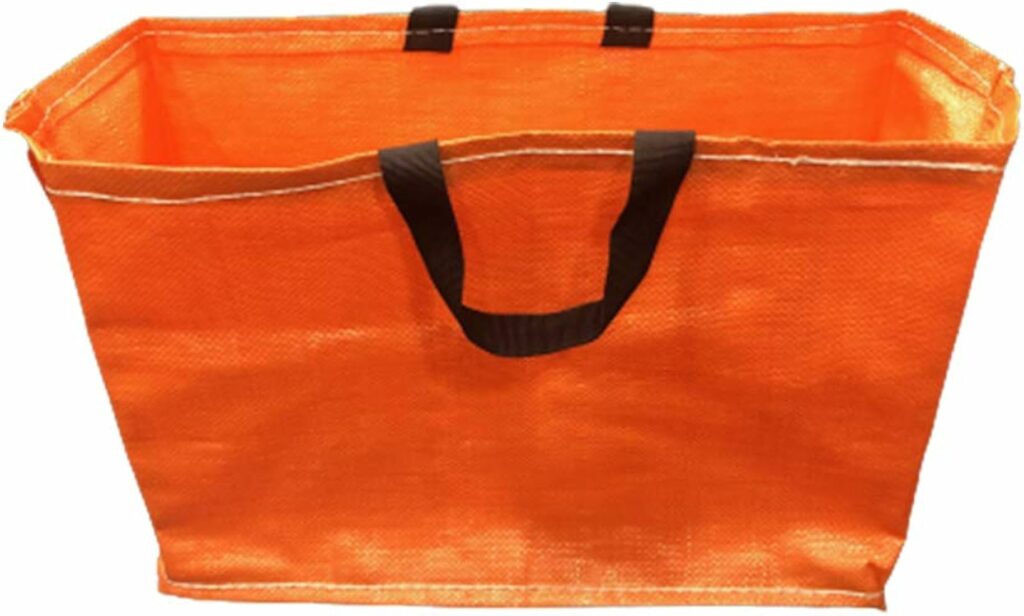
Fertilizers, seeds, and grains each present unique packaging challenges. Fertilizers are often heavy, chemically reactive, and sensitive to moisture. Seeds require protection to maintain viability and prevent contamination. Grains must be stored and transported in a way that preserves freshness while minimizing spillage and pest exposure.
Agricultural packaging must therefore be strong, moisture-resistant, breathable when necessary, and capable of handling repeated handling without tearing. Woven polypropylene bags meet these requirements more effectively than many traditional packaging alternatives.
Strength and Load-Bearing Capacity
One of the key reasons woven bags are trusted in agriculture is their high tensile strength. Manufactured by weaving polypropylene tapes together, these bags can carry substantial weight without stretching or breaking. This makes them ideal for bulk products such as fertilizers and grains, which are often packed in large quantities.
The woven structure distributes weight evenly across the bag, reducing stress points that can lead to tears during lifting, stacking, or transport. This strength ensures safer handling throughout the supply chain, from farms to warehouses to retail outlets.
Moisture Resistance for Product Protection
Moisture is one of the biggest threats to agricultural products. Fertilizers can clump or lose effectiveness when exposed to humidity, seeds can lose viability, and grains can spoil or develop mold. Woven polypropylene bags offer natural resistance to moisture, helping protect contents in varying storage and transport conditions.
For added protection, woven bags can be laminated or lined to further reduce moisture penetration. This flexibility allows manufacturers to customize packaging based on the sensitivity of the product and the environmental conditions it will face.
Breathability for Seeds and Grains
While moisture resistance is important, some agricultural products also require controlled airflow. Seeds and grains, in particular, benefit from packaging that allows limited ventilation to prevent condensation and heat buildup.
Woven bags can be designed with specific weave densities to balance strength and breathability. This makes them suitable for storing grains and seeds over extended periods without compromising quality, especially in regions with fluctuating temperatures.
Durability During Transportation and Storage
Agricultural supply chains often involve long-distance transportation and multiple handling stages. Bags are stacked, shifted, loaded, and unloaded repeatedly, increasing the risk of damage. Woven polypropylene bags are highly resistant to abrasion, punctures, and rough handling.
Their durability reduces product loss caused by torn packaging, improving efficiency and lowering overall costs. This reliability is particularly valuable during bulk transport, where even small packaging failures can result in significant losses.
Chemical Resistance for Fertilizer Packaging
Fertilizers often contain chemicals that can degrade weaker packaging materials over time. Woven polypropylene is chemically inert, meaning it does not react with most fertilizer compounds. This resistance helps maintain the structural integrity of the bag and prevents contamination or leakage.
As a result, woven bags are widely used for packaging urea, DAP, potash, and other common agricultural fertilizers that require secure, long-lasting containment.
Customization for Practical Use and Branding
Another factor that makes woven bags reliable is their customization potential. Manufacturers can tailor bag size, thickness, coating, and printing based on specific product needs. This allows agricultural businesses to optimize packaging for different weights, storage durations, and transport conditions.
Printed woven bags also support branding and regulatory compliance. Clear labeling, product information, and handling instructions can be printed directly on the bag, improving traceability and professional presentation.
Cost-Effectiveness for Bulk Packaging
In agriculture, cost efficiency is critical. Woven polypropylene bags offer an excellent balance between performance and affordability. Their long lifespan, reusability, and resistance to damage reduce the need for frequent replacements, making them a cost-effective choice for bulk packaging.
Compared to alternatives like paper or jute bags, woven bags provide better protection at a lower long-term cost, especially when products are stored or transported over extended periods.
Reusability and Sustainability Benefits
Woven bags are designed for multiple uses, which adds to their reliability and value. Farmers and distributors often reuse bags for storage or transport, extending their lifespan beyond a single use. This reusability reduces waste and supports more sustainable packaging practices.
Additionally, polypropylene is recyclable, and many manufacturers are now focusing on producing woven bags that align with environmental standards and responsible waste management practices.
Consistent Performance Across Seasons
Agricultural operations are exposed to changing weather conditions, from hot summers to humid monsoons and cold storage environments. Woven polypropylene bags maintain their performance across a wide temperature range without becoming brittle or losing strength.
This consistency makes them dependable throughout the year, regardless of seasonal challenges, ensuring uninterrupted protection for fertilizers, seeds, and grains.
Why Woven Bags Remain the Preferred Choice
The reliability of woven bags in agricultural packaging comes down to a combination of strength, moisture resistance, durability, chemical stability, and adaptability. They protect valuable products from environmental damage, reduce losses during transport, and support efficient handling at every stage of the supply chain.
For fertilizers, seeds, and grains, where quality preservation and cost control are equally important, woven polypropylene bags continue to be a practical and proven solution.
Also Read: How Custom Woven Bags Improve Product Presentation
Final Thoughts
Woven bags have earned their place as a trusted packaging option in agriculture because they are built to meet real-world challenges. Their ability to protect contents, withstand rough handling, and adapt to different product needs makes them a reliable choice for farmers, suppliers, and exporters.
Choosing the right woven bag specification ensures better product safety, lower losses, and smoother logistics—factors that directly impact profitability and operational efficiency in the agricultural sector.