
Introduction
Woven polypropylene (PP) bags have become a trusted packaging solution across industries—from agriculture and fertilizers to construction materials, chemicals, food grains, and retail. Their durability, strength, and cost-effectiveness make them indispensable. But there’s one challenge these bags face when they’re exposed to sunlight for extended periods: UV degradation. This is where UV stabilization becomes crucial. By protecting woven bags from the harsh effects of ultraviolet radiation, UV stabilization significantly extends their lifespan and ensures they perform reliably even in tough outdoor environments.
In this blog, let’s explore why UV stabilization matters, how it works, and why industries increasingly rely on UV-protected woven bags for long-term storage, transport, and outdoor use.
Why Woven Polypropylene Bags Need UV Protection
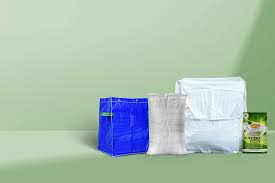
Polypropylene is strong, lightweight, and highly resistant to moisture and chemicals. However, it is naturally vulnerable to sunlight. When PP fibers are exposed to UV radiation, they begin to break down at the molecular level—a process known as photo-oxidation. Over time, this leads to fading, brittleness, cracking, and loss of tensile strength.
Industries that store bags outdoors or transport goods across sunny, dry, or tropical regions are especially at risk. Without UV stabilization, even a high-quality woven bag can deteriorate much faster than expected. This can compromise the product inside, increase wastage, and raise the overall cost of packaging.
UV stabilization helps address this vulnerability by shielding the polymer from sunlight, dramatically increasing its durability.
How UV Stabilization Works
UV stabilization works by adding specialized additives—commonly known as UV stabilizers or UV absorbers—into the polypropylene resin during manufacturing. These additives absorb or neutralize UV radiation before it can damage the PP fibers.
Here’s how they protect woven bags:
1. UV Absorbers
These additives soak up harmful UV rays and convert them into harmless heat. By preventing the radiation from interacting with the polymer, they slow down the degradation cycle.
2. Hindered Amine Light Stabilizers (HALS)
HALS are some of the most effective stabilizers used today. Instead of absorbing UV light, they neutralize free radicals generated by exposure to sunlight. This stops the chain reaction that causes polymer breakdown.
3. Synergistic Blends
Manufacturers often use a combination of UV absorbers and HALS to create a more robust and long-lasting protection system. These blends ensure better performance even under intense or continuous sunlight.
When added in the right concentration, UV stabilizers can significantly improve the outdoor lifespan of woven bags—sometimes extending it by several years.
Where UV-Stabilized Woven Bags Are Most Useful
Certain industries benefit immensely from UV-protected woven bags, especially where outdoor exposure is unavoidable. These include:
Agriculture and Farming
Grains, seeds, fertilizers, and animal feed are often stored outdoors before use. UV-stabilized bags keep the contents safe from environmental damage and protect the packaging from becoming weak or brittle.
Construction and Cement
Cement, sand, and other building materials are frequently exposed to sunlight on job sites or during transport. UV protection ensures bags remain stable and tear-resistant.
Chemical Manufacturers
Products like polymers, resins, and powders often require extended outdoor storage. UV-stabilized woven bags maintain strength during these long periods.
Food and Packaging Industries
In regions with strong sunlight, food grains, flour, sugar, and agricultural produce benefit from UV stabilization to prevent contamination through damaged packaging.
Export and Logistics
Cross-border shipments, especially via sea routes, expose packaging to intense sunlight. UV-stabilized bags reduce degradation risk during long journeys.
How UV Stabilization Improves Lifespan and Performance
Adding UV stabilization doesn’t just protect woven bags from sunlight—it transforms their usability and dependability. Here’s how:
1. Extended Outdoor Life
With UV stabilizers, woven bags can withstand months or even years of outdoor exposure without cracking, tearing, or losing strength.
2. Maintained Tensile Strength
UV-protected bags retain their load-bearing capacity, ensuring safer handling and reduced chances of sudden breakage.
3. Reduced Material Wastage
Durable bags mean fewer damaged packing materials, reducing losses and overall packaging costs.
4. Protection of Stored Goods
UV damage to bags can expose the contents to moisture, pests, or contaminants. Stabilization helps preserve the integrity of the product inside.
5. Long-Term Branding Quality
For BOPP laminated woven bags with high-quality prints, UV protection helps colors stay vibrant, preventing fading and preserving brand visibility.
How Much UV Protection Do Woven Bags Need?
The level of UV stabilization required can vary based on factors like:
- Regional climate
- Duration of outdoor exposure
- Product type
- Transportation conditions
- Storage methods
Typically, manufacturers offer UV protection ranging from 200 to 1600 hours or more, depending on the application. Higher UV stabilization levels are recommended for hot, sunny, or tropical regions where sunlight intensity is strong throughout the year.
Are UV-Stabilized Woven Bags More Expensive?
Yes, they usually cost slightly more than standard woven bags. However, the benefits far outweigh the price difference. When you factor in reduced product losses, fewer bag replacements, and better long-term performance, UV-protected woven bags offer significant cost savings.
Also Read: BOPP Laminated Woven Bags: Advantages for Food, Fertilizer, and Retail Packaging
Final Thoughts
UV stabilization might seem like a minor detail in the manufacturing process, but it plays a major role in the long-term durability of woven polypropylene bags. Whether you’re storing agricultural goods, transporting construction materials, or shipping sensitive products internationally, UV-protected woven bags offer peace of mind, reliable performance, and greater value.
By extending the lifespan of packaging and ensuring product safety, UV stabilization is not just an optional feature—it’s a smart investment for any business relying on woven bags in harsh or sunny environments.