
Introduction
Packaging plays a critical role in industries that deal with heavy, bulk, and often sensitive materials. Cement, fertilizers, and chemicals require packaging solutions that are not only strong and durable but also capable of protecting product quality throughout storage, handling, and transportation. Over the years, woven bags—especially woven polypropylene bags—have become one of the most reliable and widely used packaging choices for these industries. Their strength, adaptability, and cost-effectiveness make them an essential part of modern industrial supply chains.
Woven bags are designed to withstand demanding conditions, making them suitable for products that are heavy, abrasive, moisture-sensitive, or reactive. Their ability to combine durability with practical functionality has positioned them as a preferred packaging solution across cement plants, fertilizer manufacturers, and chemical producers.
Understanding Woven Bags and Their Construction
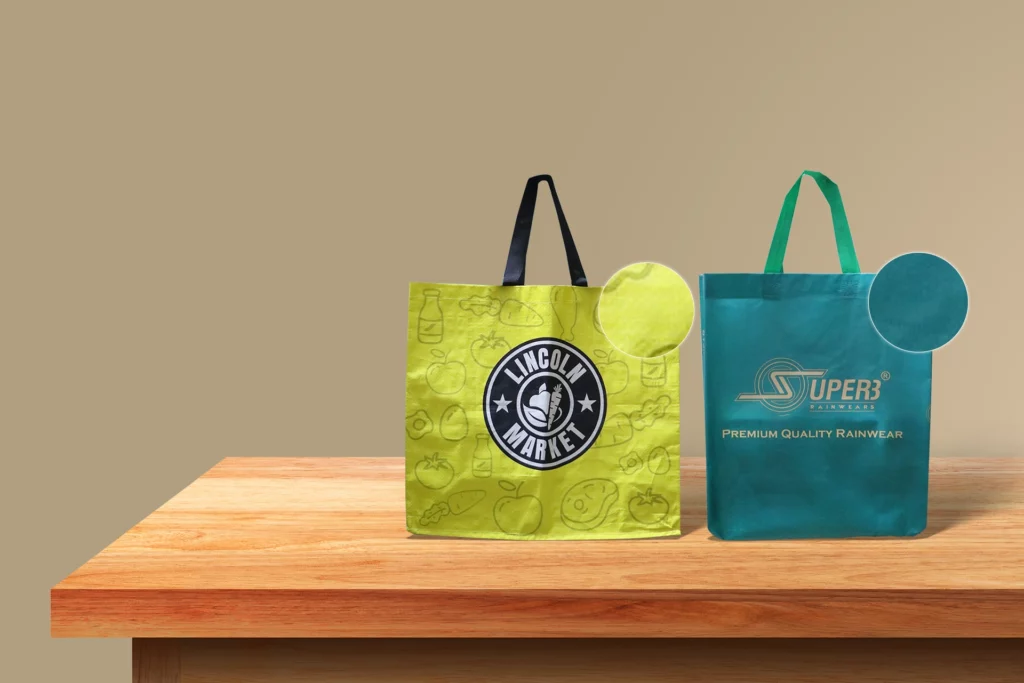
Woven bags are made from polypropylene tapes that are woven together to form a strong, flexible fabric. This woven structure gives the bags high tensile strength, tear resistance, and load-bearing capacity. Unlike paper or thin plastic packaging, woven bags can handle significant weight without breaking or deforming.
The bags can be manufactured in different sizes, thickness levels, and designs depending on the product being packed. Additional features such as lamination, liners, anti-slip coatings, and valve openings can be added to enhance performance. This adaptability makes woven bags suitable for a wide range of industrial applications, particularly in sectors where packaging failure can lead to product loss, safety risks, or financial damage.
Importance of Strong Packaging in Cement Industry
Cement is a heavy, fine powder that demands extremely robust packaging. Bags must support substantial weight while preventing leakage, contamination, and moisture exposure. Woven bags are ideal for cement packaging because they provide the necessary structural strength to carry heavy loads without tearing during filling, stacking, or transportation.
Another key requirement in cement packaging is protection against moisture. Even slight exposure to humidity can affect cement quality and performance. Laminated woven bags help create a barrier against moisture, ensuring the cement remains dry and usable until it reaches the end user. Their durability also allows for efficient stacking and palletization, which is crucial in large-scale construction supply chains.
Woven Bags in Fertilizer Packaging
Fertilizers come in various forms, including granules, powders, and pellets, each with its own packaging challenges. Many fertilizers are hygroscopic, meaning they absorb moisture from the air. This makes moisture-resistant packaging essential to prevent clumping, degradation, or loss of effectiveness.
Woven bags offer excellent protection for fertilizers due to their strength and adaptability. Laminated woven bags or those with inner liners help shield the contents from moisture and environmental exposure. Additionally, woven bags can be treated to resist UV radiation, which is particularly important for fertilizers stored outdoors or transported over long distances.
Another advantage of woven bags in fertilizer packaging is their ability to handle chemical reactivity. Fertilizers often contain compounds that can weaken inferior packaging materials. Woven polypropylene is resistant to many chemicals, helping maintain bag integrity and ensuring safe handling.
Chemical Packaging and Safety Considerations
Chemical packaging demands a high level of reliability, as many chemicals can be hazardous, corrosive, or reactive. Packaging failures in this sector can pose serious risks to workers, the environment, and supply chains. Woven bags are commonly used for dry chemicals such as powders, flakes, and granules due to their strength and chemical resistance.
Woven polypropylene does not easily react with most chemicals, making it suitable for a wide range of industrial compounds. Bags can be customized with liners to prevent leakage or contamination, and anti-static properties can be added for chemicals that are sensitive to static electricity. These features help ensure safe storage, handling, and transportation while complying with industrial safety standards.
Durability During Storage and Transportation
Cement, fertilizers, and chemicals often travel long distances and pass through multiple handling stages before reaching their final destination. Packaging must withstand rough handling, stacking pressure, and varying environmental conditions. Woven bags excel in these situations because they are designed for repeated movement and heavy loads.
Their resistance to tearing and puncturing reduces the risk of product loss during transit. Woven bags also maintain their shape under pressure, allowing for stable stacking in warehouses and shipping containers. This structural reliability helps reduce spillage, minimize waste, and improve overall logistics efficiency.
Cost-Effectiveness for Bulk Packaging
From a business perspective, packaging must balance performance with cost. Woven bags provide an economical solution for bulk packaging without compromising on strength or safety. Their long lifespan and low failure rate make them a cost-effective option for high-volume industries.
Because woven bags are lightweight compared to some alternative packaging materials, they also help reduce transportation costs. Their durability reduces the need for frequent replacements, contributing to long-term savings for manufacturers and distributors.
Customization and Branding Opportunities
In addition to functionality, woven bags offer opportunities for branding and product identification. High-quality printing allows manufacturers to display product information, handling instructions, safety warnings, and brand identity clearly on the bag surface.
For cement, fertilizer, and chemical companies, clear labeling is essential for compliance and safe usage. Woven bags support multi-color printing and detailed designs, helping brands maintain consistency and professionalism while meeting regulatory requirements.
Sustainability and Reusability Benefits
Sustainability is becoming increasingly important in industrial packaging decisions. Woven polypropylene bags are reusable and recyclable, making them a more sustainable option compared to single-use packaging materials. Their durability allows them to be reused multiple times before disposal, reducing overall packaging waste.
When recycled properly, woven bags can be converted into new plastic products, supporting circular economy practices. This makes them a responsible choice for industries looking to balance performance with environmental considerations.
Also Read: Common Industries That Rely on Woven Bags—and Why
Conclusion
Woven bags play a vital role in cement, fertilizer, and chemical packaging by offering strength, reliability, and adaptability in demanding industrial environments. Their ability to handle heavy loads, resist moisture and chemicals, and endure long-distance transportation makes them indispensable for bulk packaging applications. Beyond functionality, woven bags also provide cost efficiency, customization options, and sustainability benefits that align with modern industrial needs.
As industries continue to prioritize safety, efficiency, and environmental responsibility, woven bags remain a trusted packaging solution that supports smooth operations from production to delivery. Their proven performance ensures that critical materials reach their destination safely, intact, and ready for use.